
The reality of being an MMA Fighter MMA Training Melbourne

As an MMA Fighter, coach (and now as a promoter) you encounter many aspiring fighters who say they will do whatever it takes to achieve success in the fight game but what they really mean is they just want to do it if it’s going to be fun and easy and they can win all the time. The reality is if you want to get to the top levels in this sport or any sport it’s going to be very tough and also you have to be comfortable with the fact that you aren’t going to win all the time.The challenges and fear of losing cause many fighters to back out or find excuses when faced with a bigger challenge or even worse waste the most important years of their fight career building an undefeated record against hand-picked opponents rather than actually testing themselves and fighting the best competition available.If you want to achieve greatness and be regarded as a great fighter you need to compete against other great fighters and with this will always come the risk of losing but it’s how you deal with these losses that make the difference.Coaches in Thailand would always ask new western fighters about their fight record but were always more interested in the losses than wins. If a fighter had no losses on their record they couldn’t take them seriously because they knew they haven’t really been tested.In the early days of MMA it was possible to build undefeated records but now I think the sport has reached a new level of maturity.Everyone all over the world now has access to the same knowledge, information and training methods and it has created an even playing field. This means that anyone can lose no matter how good they are. I think this will create a much healthier career path for fighters. Take the challenging fights to grow in experience and skills rather than padding your record and then getting exposed when you reach the big show. MMA Training Melbourne mma classes Melbourne best mma gyms melbourne
The Popularity of BJJ

In recent years, Brazilian Jiu-Jitsu has seen a remarkable surge in popularity all over the world. What was once a niche martial art has now evolved into a mainstream phenomenon practiced by a wide range of people including celebrities such as Tom Hardy & Facebook CEO Mark Zuckerberg. One of the most interesting things about the popularity of BJJ is its growth among adults. Most styles of martial arts which are predominantly practiced by kids and the adults who do train usually started when they were kids. BJJ is unique in its ability to attract adults who have had no previous martial arts training or even any other sports background. Here are some of the reasons why I think BJJ has become so popular. Easier to learn and master than other styles of Martial Art BJJ’s emphasis on ground fighting and submissions distinguishes it from other martial arts. Kicks & Punches seem easier to learn but they take years of dedicated practice to master, and it’s very difficult to perform them effectively against a resisting opponent who is punching back. BJJ can appear confusing at first, but it’s easier to learn and use than most other martial arts styles. The reason for this is that it focuses on controlling your opponent and stopping him from moving while you use your techniques. Because of this aspect, it is especially appealing to adults who may not have the strength or speed of youth but can excel through technique and strategy. Practical Self Defence Skills BJJ offers the opportunity to learn simple yet effective self-defense techniques. It empowers practitioners with the confidence and capability to protect themselves in real-world scenarios.. Having the confidence that you can escape from someone who is trying to hold you down or headlock you is in my opinion more a reliable option for self defence than practicing groin strikes or eye pokes. The use of deadly force is not always necessary in self-defense situations. In most cases, the best solution is to use grappling techniques to restrain an opponent until they calm down, and BJJ is the right tool for this. One of the best ways to get Fit! Beyond self-defense, BJJ provides a dynamic full-body workout including cardiovascular fitness, strength training, and flexibility. Although it may seem like a tough workout at first it won’t take long until you are making it through the session and feeling great but exhausted. BJJ training will improve your endurance, build muscle, and enhance your overall fitness levels. And for most people it’s a lot more fun than just working out at the gym. One of my favorite things as a BJJ coach is seeing the progress in new students from when they first start training until a few months later when they can keep rolling through every round of sparring. Breaking a Mental Sweat BJJ is not just a physical activity but also a mental one. BJJ is sometimes referred to as a physical Chess game. BJJ’s strategic and problem-solving nature demands critical thinking and adaptability from practitioners. This mental stimulation not only enhances cognitive function and focus but also boosts self-confidence both on and off the mat. Camaraderie & Life Long Friendships The inclusive and supportive atmosphere of the BJJ community fosters camaraderie.. While a BJJ class initially appears like a bunch of people trying to murder each other, closer inspection will reveal that many of the students are close friends. BJJ students come to class to leave their real world problems behind and just focus on challenging themselves and improving with the help and friendly rivalry of their teammates and training partners. This feeling of combined effort to overcome adversity leads to close friendships. Influence of MMA The popularity of the UFC has significantly amplified interest in BJJ. The UFC was initially conceived by the Gracie family to demonstrate the prowess of Brazilian Jiu-Jitsu on a global stage. A significant portion of new BJJ enthusiasts are often introduced to the sport through UFC exposure, igniting a desire to acquire self-defense skills after witnessing its effectiveness in action. It’s amazing to see how far BJJ has come in terms of popularity since I did my first-ever lesson at the Budokawi dojo in London way back in 1998. I would never have imagined it would become such a popular sport and i can’t wait to see what the future holds.
Self Defence Training

I first became interested in Mixed Martial Arts & Brazilian Jiujitsu because I saw it as a realistic way of testing martial arts and fighting skills against a resisting opponent. I wasn’t convinced that the techniques used in my Karate point sparring would work in real life when confronted with a big angry, aggressive opponent. Especially if he isn’t familiar with the rules and formalities of traditional martial arts and just wants to beat you up. If only there was some way of testing your techniques realistically without going to jail or hospital. Luckily after I’d been doing Karate for about 3 months I saw a report on late-night TV about the new sport of UFC which was just starting in the USA (this was the build-up to UFC 3). It looked excessively violent and gruesome at the start but it seemed like a good way of finding out what would work in a real fight. Up until this point, it was commonly believed that some styles were just combat sports and others were real martial arts and therefore better for self-defense. From observing MMA events it became apparent that almost all the successful fighters came from a combat sports background (wrestling, kickboxing, Judo). The styles of martial arts that focused exclusively on self-defense and deadly killing skills had many explanations for their lack of success in the MMA arena and these reasons may also explain the effectiveness of combat sports. So what are the benefits that might make training in MMA or combat sports more suitable for self-defence? The key to making your MMA or combat sports training suitable for self-defense and avoiding unrealistic techniques is to ask – would I want to use this move or this strategy if my life depended on it?
How to get your BJJ Black Belt BJJ Training Melbourne

BJJ differs from other martial arts in that there are no clear requirements for getting your black belt or if there are, they vary from school to school. Other traditional martial arts, on the other hand, usually have very clear-cut criteria about what you need to do to achieve each belt on the way to becoming a black belt. In karate, for example, there are certain techniques you have to be able to demonstrate and katas you have to perform before you can move up a belt. Even in Judo, which is the closest thing to BJJ, there is a progression path used all over the world for accumulating competition points, demonstrating certain techniques, and then performing the Nage no Kata to obtain a black belt.Grading requirements can vary greatly from place to place in BJJ. Some schools measure belt advancement solely by the amount of time served and classes attended, while others focus on the number of techniques demonstrated for each belt. Others, such as my original academy (Carlson Gracie London), based belt progression on performance in competition. If you didn’t win a tournament at your current belt then you don’t progress to your next belt.Your instructors will pick the best grading criteria that work for them, and your school will probably have its own variant, but in general, there are several keys to making progress in BJJ. Don’t focus on the belt. Instead, focus on improving and learning. It usually takes 8-10 years of consistent training to achieve black belt status. Some people get it faster if they train full-time. Others, like myself, will take longer. (12 years in my case). If you enjoy the training and it becomes a part of your life, you won’t care if it takes 3 years or 25 years. The journey is more important than the destination. Avoid Burn-Out Aim to train consistently rather than overdo it at the start. Don’t train 7 days a week for 3 months and then quit. Train 3 times a week for 7 years and then you’ll achieve your goals. Compete. I’ve been training in BJJ for approximately 22 years. The people who compete always make more progress and stick with their training. You don’t have to be a full-time competitor or quit your job to focus on BJJ competition but my advice would be to compete at least a few times at each belt level along the way to get accurate feedback on your strengths and weaknesses. 5 to 10 minutes in real competition can be the same as 6 months of relaxed training in terms of your development. Real Training Be clear about what counts as training time. If you’ve been training in BJJ for 8 years but have had several 6-month breaks or periods where you only trained once a fortnight then that doesn’t count as 8 years of training. Also, if your training session consists of you trying to overpower and tap out the new white belts rather than focusing on your learning and development then that also doesn’t count as real training. Be a good training partner. Your coach has your best interests at heart. They want you to make progress and eventually get your black belt because it reaffirms to them that they are doing a good job as a coach. However, they also want what’s best for the other nineteen students on the mat. If you’re a crappy training partner or even worse a dangerous training partner who risks injuring the other students there’s a good chance the coach doesn’t want you on the mats and won’t promote you. Learning how to be a good training partner is perhaps the most important BJJ skill you can learn. BJJ Training Melbourne BJJ Fairfield Melbourne
The Benefits of Brazilian Jiu-Jitsu for Kids
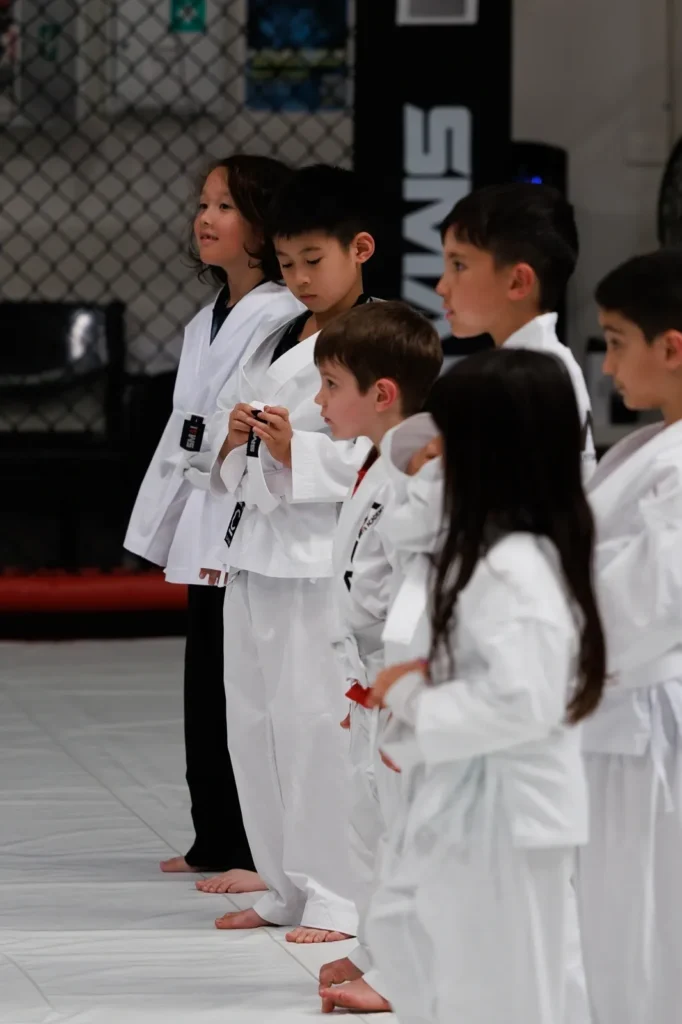
In today’s fast-paced world, parents are constantly seeking activities that not only keep their kids physically active but also foster important life skills such as discipline, confidence, and resilience. Brazilian Jiu-Jitsu (BJJ) has emerged as a popular choice for many families, offering a unique blend of physical exercise and mental development. In this article, we’ll explore the numerous benefits that Brazilian Jiu-Jitsu provides for children, from improved fitness to enhanced problem-solving abilities. Physical Fitness: Self-Defense Skills: Discipline and Focus: Problem-Solving and Critical Thinking: Building Confidence and Resilience: Brazilian Jiu-Jitsu offers a wide range of benefits for children, from improved physical fitness to enhanced mental and emotional well-being. By participating in BJJ classes, kids develop important life skills such as discipline, focus, problem-solving, confidence, and resilience. Whether they’re looking for a fun way to stay active or seeking practical self-defense skills, Brazilian Jiu-Jitsu provides a rewarding experience for children of all ages. We have Kids BJJ Classes at Australian Combat Sports Academy every Monday at 4.15 pm & Saturday Mornings at 10.15 am. Book your kids in today to unlock the benefits.
How long does it take to get Good at Brazilian Jiu-Jitsu?
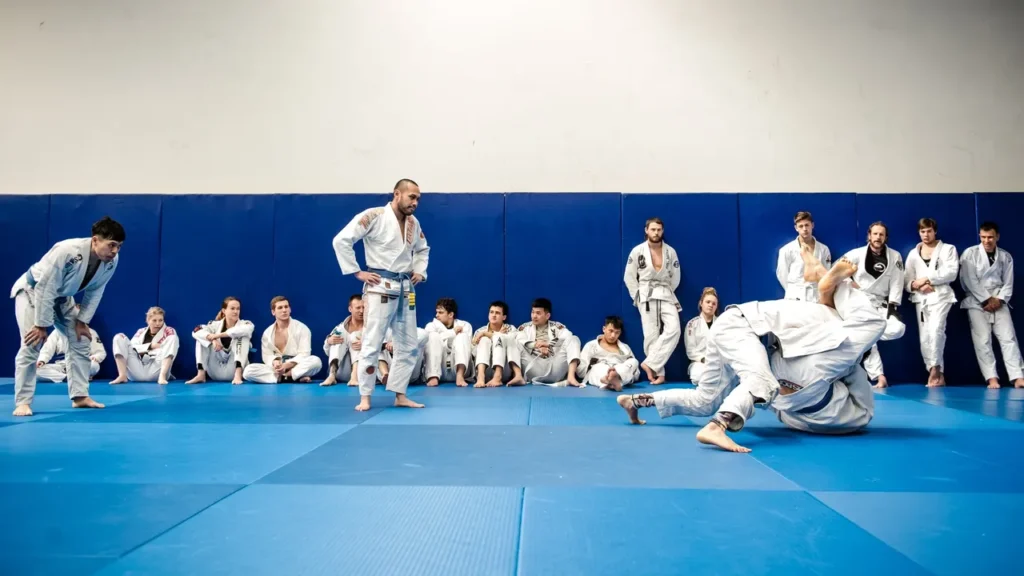
Recently I was asked an interesting question by a new student. This student had considerable experience in other martial arts and had just completed the trial week of our BJJ program. He had enjoyed his training over the week and was excited to continue. He approached me at the end of the class and asked ‘ How long does it take to get good?’ Since becoming a full-time coach I’ve spent 100’s of hours attending Martial Arts and Fitness business courses focusing on Marketing, how to convert trials into students, upselling, and many other related topics. I knew there was a perfect way to ‘re-frame’ the question, get him signing up, and resulting in a high five and three-year commitment to getting his black belt, however, the question came at the end of a long week of tough sessions, teaching classes, training fighters and also working hard on my training so I gave him the honest answer. It might take your whole lifetime to get good and even then that might not be enough. What I meant is that Jiu-Jitsu isn’t a sequence of secret moves that you can memorize and then you’ll be invincible and receive your black belt in three years. It’s tough, you learn the moves but your training partners learn the moves too so they can shut you down then you keep battling back and forth night after night, week after week for years and years until eventually one of you quits. This is the reality of Jiu-Jitsu training that separates it from many other martial arts. It is relatively ‘safe’ so you can go pretty hard almost every time you train without needing to pull your punches. You cannot comfort yourself by telling yourself that I would’ve won that match if I’d hit him with my power kick. You will get tapped out a lot on your way to getting a black belt and you need to develop an ego that will allow you to deal with this short-term inconvenience for your long-term benefit. I also explained to the new student that even though it sounds hard the training is fun, and that’s why people stick to it. Before long you forget about the far off goal of getting a black belt and just enjoy the process of getting on the mat and testing yourself and your skills. Afterward, though I realized that there is another way to look at the question “How long does it take to get good at Jiu-Jitsu?’ This is an interesting question because it’s very subjective, one person’s idea of ‘Good at Jiu Jitsu’ may be very different from others. Some may think being good at Jiu-Jitsu means winning a world title at the Black Belt division whereas another may define it as the ability to defend yourself. Very few people get involved in Jiu-Jitsu because they want to win world titles. Most people begin training because they want to get fit, lose weight, or learn self-defense. My definition of being ‘good’ at Jiu-Jitsu is simple. Can you defend yourself and defeat a larger and stronger opponent using Jiu-Jitsu techniques? If you can then your training has worked. One of the strengths of Jiu Jitsu compared to other martial arts is that it is possible to achieve this goal in a relatively short time (6 months to 1 Year). With other fighting styles, it is much harder to achieve this goal. Styles like boxing or karate take much longer to get the same result. It’s possible that some students can hit very hard and defend themselves after six months of boxing or karate training but it’s always difficult to say if that is due to the training they received or just down to their natural power. With Jiu-Jitsu, the results are very consistent. Everyone can learn the same basic strategy and the techniques aren’t complicated. Another way of looking at this question is relevant to fighters and martial arts from all styles and backgrounds. The important goal is not to just get ‘Good’, the goal is to keep continually improving. To get better than you were last class, or last week last year, or in your last tournament. Even if you’re winning every match, is there anything you could be doing better? Making that armlock tighter, finishing that sweep, or improving defense. So in short it should take around six months to one year until you can defeat an average untrained opponent using Jiu Jitsu (Provided you are being taught correctly and are training consistently) however you can spend your entire lifetime improving and perfecting your Jiu Jitsu. BJJ Training Melbourne
Starting BJJ in Fairfield: 5 Tips for Beginners at DKMMA Melbourne.
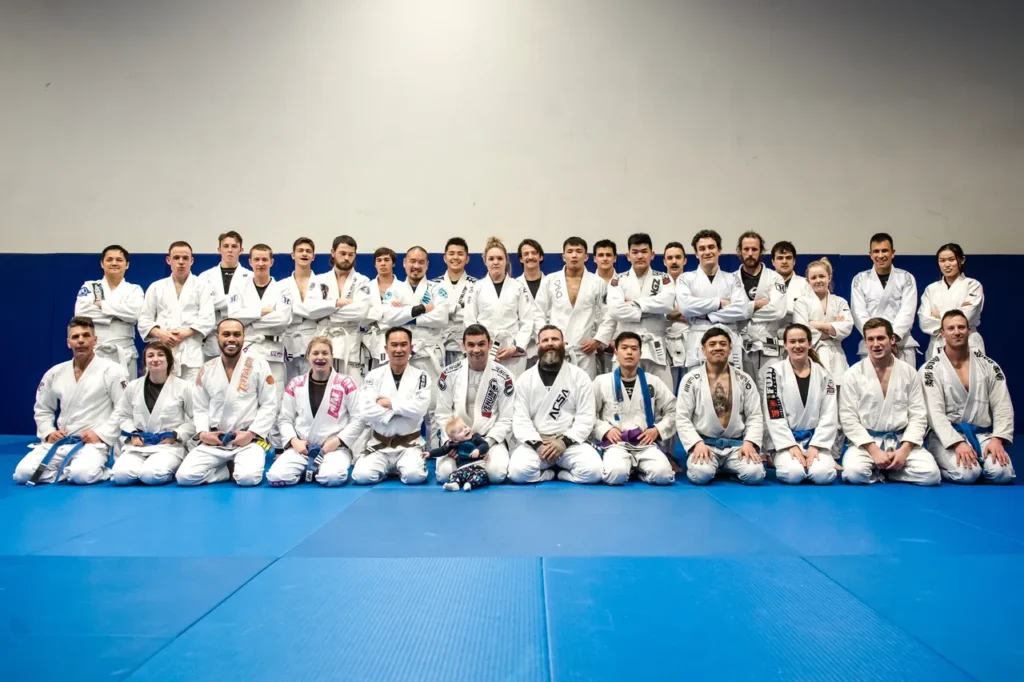
Starting your Brazilian Jiu-Jitsu journey can be intimidating, especially if you’re looking for the right environment in Melbourne’s Northern Suburbs. At DKMMA in Fairfield, we see new students from Northcote, Ivanhoe, and Alphington every week who have the same questions. White belt is the make or break stage in your Martial Arts journey. BJJ has a very high drop off rate and the majority of people who begin training don’t make it past the three month mark. There are a variety of reasons for this but quite commonly students quit because they feel they are not making any progress.There are several common problems that I see with most beginner students and in this article I will offer possible solutions that will help you improve and make progress in your martial arts journey Some Beginners will never suffer from these problems, particularly so if they are athletic or have a background in other combat sports. They may not get exhausted or stuck in bad positions when rolling with other beginners, however, I think its actually beneficial for students to go through this frustrating process and to get used to it. This is something you will have to experience again and again throughout your training career. The sooner you can get comfortable with being uncomfortable the more benefits you will get in the long term. Gassing Out… The first problem for many beginners is lack of fitness leading to exhaustion during sparring. Don’t base your entire BJJ game around fitness and outworking your opponent at the expense of proper technique, however, it will always help to improve your fitness if you feel you are struggling during sparring rounds.To achieve this I recommend simple solutions such as getting up half an hour earlier and going for a run, bike ride or swim twice a week. Yes there are more scientific and technical ways of maximizing your fitness but as a White Belt you aren’t trying to win the Olympics just attempting to build your gas tank so you can roll at a sensible pace without feeling completely exhausted and having to sit out rounds. Another tip to avoid gassing out is to make sure you roll at a pace that is suitable for your fitness level. If you find you are breathing heavily and exhausted within 30 seconds you need to slow down and concentrate on what you are doing. Don’t waste energy relentlessly squeezing your opponents head when you should be figuring out how to move your hips and legs to escape. Getting Stuck in Bad Positions… This is one of the most common questions I get asked by beginners. They get stuck under side control or Mount for every round of sparring and never get a chance to use any of the techniques they have learnt.My first piece of advice is to learn and drill the escapes from these positions then practice them in isolation sparring. This involves rounds of starting from side control and once you achieve an escape or reversal resetting and doing it again. This method will improve your escapes 100%.Another useful idea is to occasionally just ask your training partners to reset once you’ve been stuck under side control or mount. Getting better at escaping especially against heavier and more skilled opponents is a time consuming process and you can’t expect results overnight. For this reason I would advise new students to just ask their training partners to reset in a different position and work from there rather than wasting valuable training time.At a slightly higher level the biggest key to avoiding getting stuck in bad positions is to avoid ending up there in the first place. The key to this is Guard Recovery and Guard Pass Prevention. The better you get at preventing getting your guard passed the less time you will be spending in bad positions. As mentioned previously this is a long term process but the earlier in your grappling career you get started on it the better results you’ll get.I discuss the difference between training and competition in this Article Can’t get any Submissions… Another problem is that the typical BJJ student learns or is at least exposed to dozens of submissions in their first few months of training but when they try to apply these techniques in live sparring they never work. This is because all the other students have also been taught the same techniques during the same period and so they are aware of them and are ready to shut them down. This often leads to the less than ideal ‘Youtube Arms-Race’ scenario where ambitious White-belts will scour the internet for secret techniques to catch their training partners unawares rather than just focusing on learning how to do the fundamental techniques properly.I advise beginners to follow the BJJ maxim – ‘Position before Submission’. Focus on building your game, at least in the early stages, of getting to solid control positions such as Side Control, Mount and Back Control and then the opportunities for submissions will begin to present themselves. I also encourage building your game around submissions where you will not lose position if it doesn’t get the tap. For example if you cant finish the Rear Naked Choke you are still in Back Control so you get to try it again and again until the end of the round. Can’t remember their techniques when Sparring… As previously mentioned during your first few months of training you will be exposed to what seems like an endless amount of techniques. It is usually too difficult to remember everything you learn and it will be almost impossible to recall and use it effectively when needed in live sparring.The first stage in the solution to this problem is to try to retain as much information as possible. Make notes on everything you learn as soon as possible after learning it. Drill the technique as much as possible after your Instructor shows it then try to drill it again a few times later
Building A Good Team
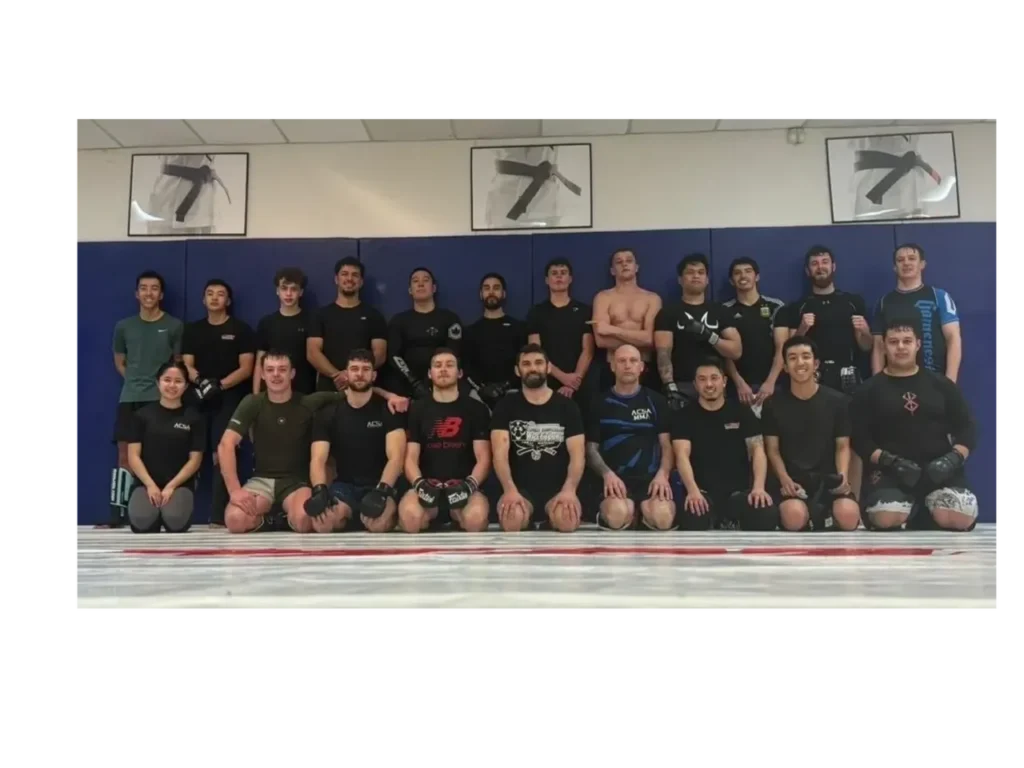
There are two main roles for a BJJ or MMA coach. First teaching the techniques, tactics, and strategies of BJJ & MMA and second creating the correct training environment for students to improve. Most aspiring coaches myself included focus on the first part. They think I will be a more successful coach if I can learn as many moves as possible or memorise as many details or intricacies about those techniques. It certainly helps to have a deep knowledge and understanding of the sport but over the years I’ve realized that the second skill is more important. The aspiring student needs instruction from a qualified coach but more importantly, they need access to good training partners in order to improve. Good training partners enable you to improve and reach your potential. My number one role as a coach is to create a room full of good training partners. This is easier said than done and requires constant supervision and improvement. Over the years I’ve realised that it comes down to ‘getting the right people on the bus and getting the wrong people off the bus’. Make sure that everyone in the room has the same goals and objectives with their training. Just a few lazy students or people with the wrong attitude can cause problems for everyone. It’s easy to just turn a blind eye but the coach’s job is to call out the wrong types of behaviour and uphold the expected standard. As a coach you can’t be everyone’s best mate but if you want to get results in your training you need coaches who are willing to make the tough decisions that are in the best interests of the team.
Start your MMA Journey today! Beginners MMA Training
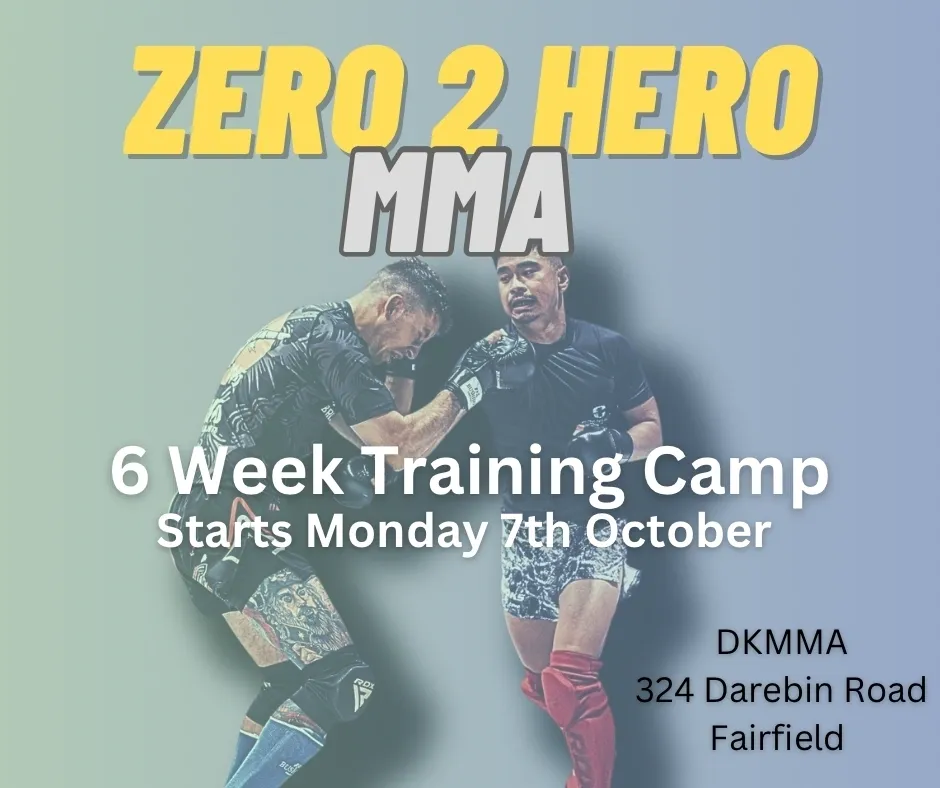
Always wanted to LEARN MMA and test yourself in competition? Here is your opportunity! The Zero 2 Hero 6-Week MMA Training Camp is back! Contenders will train in five sessions per week for 6 weeks learning the fundamental skills of Mixed Martial Arts. 📷 Start Date is Monday 7th October! They will then fight on our Bushido Amateur MMA event at the end of the program. The matches are held under a modified ruleset, allowing the participants to gain valuable experience while minimizing the risk of injury. This program is limited to Ten Participants. 📷 We are now taking bookings for the next Contenders program. This course is suitable for complete beginners of all fitness levels. Once you complete the course you will be given an opportunity to compete in our Bushido Amateur MMA competition. WHAT DO YOU GET? 📷 6 weeks of training 5 times a week! 📷 High-level coaching in BJJ & MMA from our highly experienced team! 📷 MMA Training uniform! 📷 Train alongside our current competition team! 📷 Opportunity to Compete in Bushido Amateur MMA! WHO CAN JOIN? We are only taking 10 contenders! Open to people of any skill and fitness level. Ideal if you have done zero or very little training before. ================================= What are you waiting for? Book your Spot here : MMA Training Melbourne Beginners MMA Training
The importance of your BJJ Team to maximise your Training
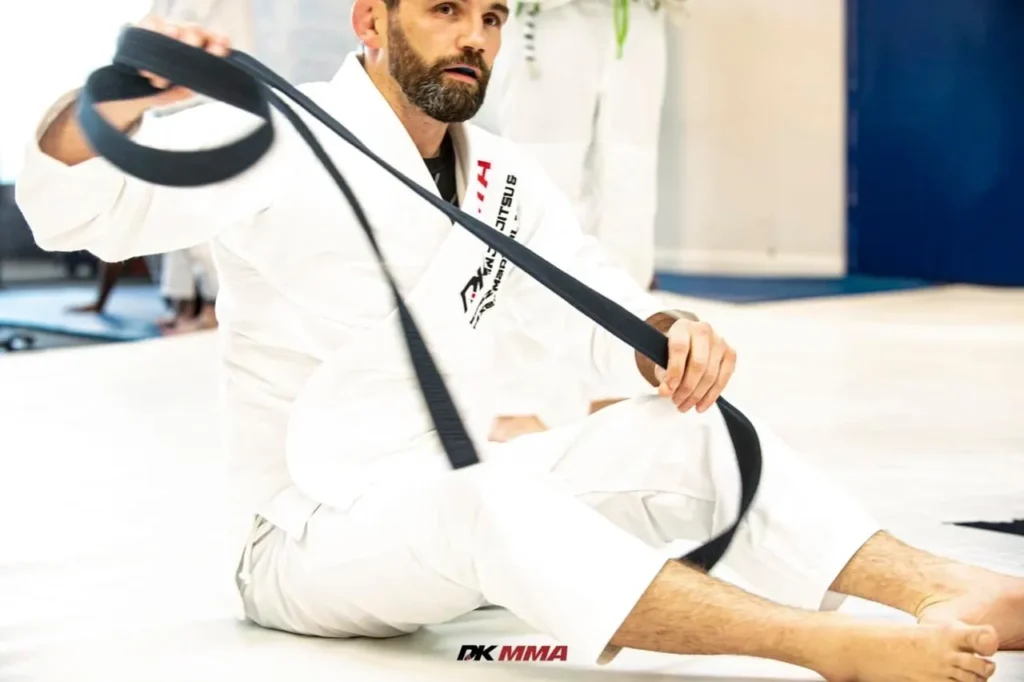
One of the recent trends I’ve noticed is a lot more BJJ students bouncing around from gym to gym. Back in the day, most people stuck with the first team they joined. That was partly because there were fewer gyms to choose from, and the culture in BJJ was more like a tight-knit community—almost like a tribe. But these days, it seems like people switch gyms every 6 to 12 months, and that’s becoming more common. Now, don’t get me wrong—there’s nothing wrong with switching gyms if there’s a good reason. Maybe your first gym is a disaster with a coach who isn’t legit—someone who’s always late or showing up drunk. Or maybe your gym closes down, and you have no choice but to find a new place. There are plenty of valid reasons to change gyms.But what I’ve noticed more and more is that a lot of people aren’t switching gyms for those kinds of reasons. Instead, they’re doing it because of what’s blowing up on social media. They train at one gym for a year or so, then see another gym getting a ton of likes on Instagram and decide to jump over there. A year later, when the hype fades, they’re already looking for the next trendy gym to check out. This behavior is driven by FOMO (fear of missing out) more than anything. Instead of focusing on improving their skills, they’re more concerned with being part of whatever is hot right now. It’s all about the buzz, not the actual progress. As a coach who’s been in BJJ for over 25 years, I get it—sometimes you need a change, or maybe you want to try something new. But from what I’ve seen, constantly switching gyms isn’t usually the best way to get better. To really succeed in BJJ, you need a coach who’s willing to invest time in you and help you improve. And that’s hard to do if the coach doesn’t think you’re sticking around long enough to make real progress. It’s tough to build a strong relationship with a coach if you’re jumping around every year, and without that trust and consistency, it’s hard to get the results you’re after. So, if hopping from gym to gym and chasing the latest social media trend is your thing, that’s cool. But if your goal is to actually get better at BJJ, you’re better off finding a gym where you can settle in, build relationships, and work closely with a coach who’s invested in your development. BJJ Training Melbourne